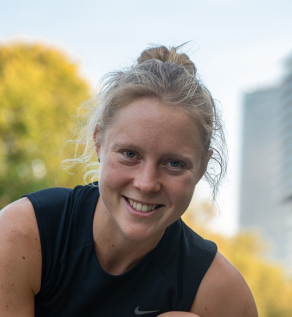
The saying: “Whoever rests, rusts” is a striking image illustrating how crucial physical activity is for our health. But how can we ensure that we enrich our lifestyle with the necessary dose of exercise without overwhelming and stressing ourselves?
Exercise is much more than a way to burn calories. Physical activities improve our overall fitness, help relieve stress, and support our cardiovascular system. The form of physical activity plays a special role: While aerobics and cardiovascular training enhance endurance, strength training promotes muscle growth. Another important aspect is the right balance of movement and rest (regeneration), which helps us making progress as well as remaining motivated and healthy in the long term.
Regular, moderate exercise is a key to the prevention of chronic diseases, as studies clearly demonstrate [1]. Exercise can lower blood pressure, reduce the risk of heart attack, and improve cholesterol levels. Mobility and flexibility through targeted exercises not only help e.g. reduce pain but also maintain mobility at any age [2] [3]. Particularly, adapting activities to personal preferences is important. If the activity matches the personal preferences and lifestyle, it is easier to include physical activity in daily life. Thus the right choice of activity encourages implementing a long-term, healthy and active routine that can enhance well-being [4].
Studies show that even 10 minutes of moderate physical activity per week can reduce mortality risk. 250 minutes per week represent the optimum for promoting heart health [5]. Another research team found that individually tailored exercise programs, which consider enjoyment and personal preferences, can increase participation by an astonishing 77% [4]. These findings are based on extensive studies with large sample sizes and controlles study designs, making them relevant and credible.
For a healthy integration of exercise into daily life, it is important to focus on moderate intensity that neither overwhelms nor underwhelms [1]. Create a plan based on personal preferences, whether it’s a walk in the park or yoga in the morning [4]. Remember to complement the workout with stretching and mobility exercises (e.g. for pain reduction) [2]. Do not forget to warm up to prevent injuries [6].
Exercise is not just a tool for burning calories, but a comprehensive approach to improving health and quality of life. With the right attitude and planning, anyone, regardless of age, can benefit from the diverse advantages. Take the time to find your favorite activity. Recognize and enjoy your physical activity as an essential part of your life – your body and mind will thank you!
This health article was created with AI support and is intended to help people access current scientific health knowledge. It contributes to the democratization of science – however, it does not replace professional medical advice and may present individual details in a simplified or slightly inaccurate manner due to AI-generated content. HEARTPORT and its affiliates assume no liability for the accuracy, completeness, or applicability of the information provided.